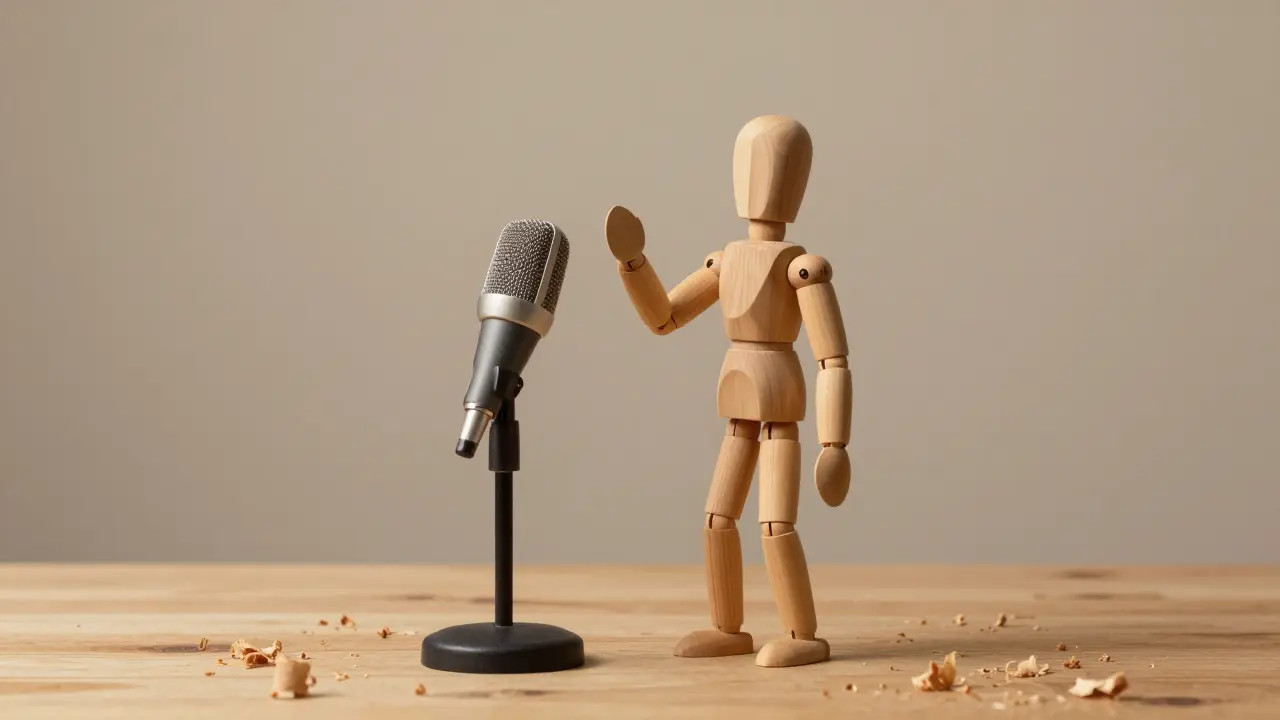
Gregory Mann voiced both Carlo and Pinocchio in Guillermo del Toro’s Pinocchio. He described Carlo as calmer, while Pinocchio had a much higher, more energetic voice. Mann also recorded singing for the film, including Pinocchio’s introduction song, “Everything Is New to Me.”
Netflix’s cast guide for Guillermo del Toro’s Pinocchio identifies Mann as the voice of the title character. His own Netflix interview fills in the rest: he also played Carlo, worked with vocal coaches, and recorded his material during a period when his speaking voice was becoming deeper.
One actor, two connected roles
Carlo and Pinocchio occupy different places in Geppetto’s story. Carlo is Geppetto’s first son. Pinocchio is the wooden boy Geppetto later creates from a tree growing above Carlo’s grave. Mann gave both characters their voices.
The two performances were meant to resemble each other. Mann said Guillermo del Toro and co-director Mark Gustafson wanted that resemblance because the characters’ souls were the same. The resemblance did not mean identical delivery. Mann described Carlo’s voice as similar to Pinocchio’s, but calmer.
That difference gives each role its own rhythm. Carlo belongs to Geppetto’s life before his grief. Pinocchio arrives afterward with the restless energy of someone discovering everything for the first time. Mann’s account ties the voices together without erasing the contrast between the characters.
Pinocchio’s vocal quality was especially high. Mann called the character “essentially a newborn” and described him as squeaky and highly energetic. The sound fits a wooden boy who has just entered the world and has no sense yet of how to behave in it.
Carlo’s scenes ask for less of that restless charge. Mann’s description of Carlo as calmer is the clearest guide here. It supports a simple reading of the performances: the film wanted a family resemblance in the voices, then used pace and energy to separate the boys.
Mann did not know the audition was for Pinocchio
Mann said he auditioned anonymously for a voice-animation project. He did not know that the project was a Pinocchio adaptation or that Guillermo del Toro was involved. He had wanted to work in animation, so the opportunity already appealed to him before he knew the title.
The project used stop-motion animation. Mann spoke warmly in the interview about the handmade process and recalled making basic stop-motion films with his brother as a child, moving a Lego figure a little and taking pictures. Those memories explain his enthusiasm for the format, though they do not change the practical task he had in the recording booth: build two related characters through sound alone.
His role as Pinocchio became a long recording job. The interview says Mann began recording his lines three years before the article appeared in December 2022. During that period, his own voice changed substantially. He said it had become an octave deeper.
That timing created a real production constraint. Mann could still reproduce Pinocchio’s young, high sound for part of the work, but he said the voice grew harder to reach as the sessions continued. Near the end, he said he had to strain to get back toward the character’s register.
Why Pinocchio’s voice sounds so young
The young sound was a creative choice for the character, not a description of Mann’s everyday voice. By the time Netflix published the interview, Mann said friends who heard his performance did not always recognize him. He also said he could no longer comfortably speak as high as Pinocchio and that attempts to recreate the voice could crack.
This helps explain why the finished performance feels separate from the actor’s later speaking voice. The recording preserved a specific point in Mann’s vocal development. Pinocchio needed a high register because the character was written and played as newly alive, impulsive, and excitable.
The contrast with Carlo is useful here. Carlo’s voice remained connected to Pinocchio’s by design, yet Mann could make Carlo quieter and steadier without abandoning that shared quality. A viewer can hear family resemblance while still recognizing two characters.
For another example of a young performer’s voice work in a major animated film, Fotobreak has also covered Jason Weaver’s The Lion King deal. The situations are different, but both stories show why credit, recording choices, and contracts matter when a young performer’s voice becomes part of a film’s identity.
Recording the songs while his voice changed
Guillermo del Toro’s Pinocchio is a musical, with songs by composer Alexandre Desplat. Mann said he received vocal coaching for the recording work. He also said the production considered whether someone else should sing because his natural voice did not reach the needed high notes easily.
The final decision kept Mann’s singing voice in the film. He said he worked to meet the vocal demands and was grateful that the finished material used his own voice. That account matters because it identifies a choice made during production, rather than inviting guesses based only on how the song sounds.
The clearest confirmed example is “Everything Is New to Me,” Pinocchio’s introduction song. Mann said the recording took 80 takes before they got the version they wanted. The number shows how exacting one song could be, especially when the performer had to protect a character voice that was drifting away from his natural register.
Mann’s interview supports a careful claim: he sang for the film and recorded “Everything Is New to Me.” It does not identify every song in the soundtrack that he performed. The credits and the interview should guide any more detailed claim about individual tracks.
What the two voices tell the audience
Carlo and Pinocchio are linked through the film’s story, and Mann’s performance makes that connection audible. The directors asked for resemblance. Mann then created contrast through delivery: Carlo is calmer; Pinocchio is livelier and higher-pitched.
The changing voice behind the performance adds another layer. Mann began recording while he could reach the character’s youthful sound more naturally. By the end, he had to work harder to preserve it. The film captures that earlier register, even though Mann himself had moved beyond it by the time of the interview.
“Everything Is New to Me” gives that process its most concrete example. Eighty takes, vocal coaching, and a narrowing window before his voice deepened made the song a demanding part of the role. The result was still Mann’s performance, shaped around a puppet who needed to sound as if the world had only just begun.
Did Carlo’s calmer voice change how you heard Pinocchio’s connection to Geppetto? Does knowing about the 80 takes alter the way you listen to “Everything Is New to Me”?
