Malachi Toney Jersey: The Number, The Kid Wearing It, And Why Miami Fans Cannot Stop Searching His Name
A young Miami Hurricanes receiver whose name on the back of a jersey has become its own search term.
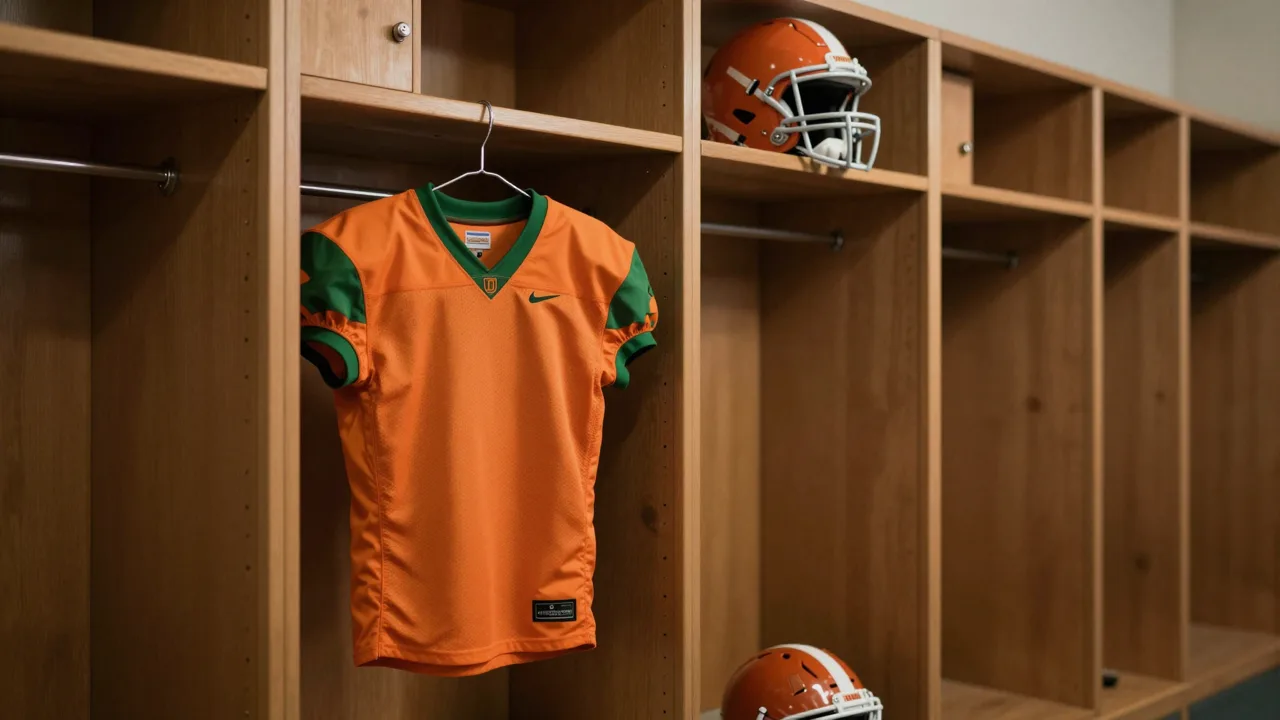
Malachi Toney jersey: the number, the colors, and what to check before you order
Type the name Malachi Toney into a search bar and watch what the box wants to finish for you. Not highlights. Not height and weight. Jersey. That single word tells you almost everything about where this young receiver sits in the culture right now: enough people have watched him play that they want to wear his name, and they want to know which number to ask for.
The number he has worn at Miami is 0. It is a small detail that carries weight at a program where single digits have long been treated as something you earn rather than something you request, and handing one to a freshman is a coaching staff saying, out loud and in fabric, that they expect him to be on the field. If you are buying a custom jersey, though, do the boring thing first and pull up the official Hurricanes roster page. College numbers move between seasons more often than people expect, especially when a veteran leaves and a digit opens up, and a personalized order is usually final sale. Thirty seconds of checking saves a lot of regret.
Where can you actually buy a Malachi Toney jersey?
There are two versions of the thing people call a jersey, and they are not the same purchase. The first is the plain number replica: orange, green or white, with the number on the chest and back and no name at all. Schools have sold these for decades and they are the easy, always available option. The second is the name-and-number version, which only became a normal retail product after college rules changed to let athletes license their own names. That shift is the quiet reason this search exists at all. A decade ago there was no such thing as a college player jersey with a name stitched across the shoulders, and now a first-year receiver can have one hanging in a campus bookstore.
Practically, that means three places to look: the official team store run through the athletic department, the big national sports retailers that carry licensed college gear, and the campus bookstore in Coral Gables, which often has stock the online listings do not. Resale is the fourth option, and it behaves the way sneaker resale does, with prices swinging on results, which is a market anyone who has read about how the big apparel resale platforms work will recognize immediately.
Sizing, price and the details people get wrong
Replica college jerseys are cut generously, closer to a loose shirt than to team-issued gear, so most adults do fine in their normal size and many people size down one if they want it to sit closer. Youth sizes run small and are a common gift mistake. The stitched, game-cut versions cost several times what a screen-printed replica does, and the name-and-number option carries a premium over the plain number. If you have ever puzzled over how sizing charts translate between countries and brands, the same caution applies here: measure a shirt you already own rather than trusting the label.
One more thing worth knowing. Miami rotates through orange, green and white, and the white road jersey is usually the safest looking buy because it works in every setting. The green is the collector favorite. There is no wrong answer, but people who buy one jersey tend to wish they had bought the white one.
Who is Malachi Toney?
He is a wide receiver for the Miami Hurricanes, a South Florida kid who came up through what is probably the most competitive high school football region in the United States, finishing his prep career at Miami Northwestern before signing with the school he grew up watching. He arrived in the 2025 recruiting class, which puts him in the late teens, and he did not spend the traditional redshirt year learning the playbook from a folding chair. He played as a true freshman, which in college football is its own form of endorsement.
What he does day to day is the unglamorous part. He is built as a slot receiver, the player who works the short middle of the field, wins in tight space, and turns a three-yard catch into a first down through sheer stubbornness. He also handles return duties, which is the job coaches only give to people they trust with the football under pressure. It is a role that rewards quickness and nerve over raw size, and it is why measurables alone never explain him. Fans who obsess over listed heights, the way they do with a college prospect whose listed height gets debated every offseason, tend to underrate players built like this.
Where is Malachi Toney from, and why does that matter?
South Florida produces more Division I football players per square mile than almost anywhere else on earth, and the local programs feed each other. Playing there means competing against future professionals in October of your junior year. It also means the community knows you before the rest of the country does, which is exactly why Miami fans were talking about him well before national television was. The same pipeline has produced defensive backs of the caliber of the cornerbacks who now anchor NFL secondaries, and receivers who found professional roles quickly, including the slot receiver who has carved out a place in Miami with the Dolphins.
Why is Malachi Toney trending right now?
The mechanics of the attention are worth understanding, because they are not really about one catch. A young player producing immediately in a high-profile program creates a specific kind of search wave. First come the highlight clips, which spread on their own. Then come the fantasy and betting communities, the people who track which receivers are quietly worth a roster spot long before the mainstream notices. Then, finally, comes the merchandise search, which is what happens when casual fans decide they want to be visibly attached to someone.
That last step is the tell. People do not search for a jersey out of curiosity. They search for it because they have already decided. Here at fotobreak we tend to watch that particular signal closely, because it usually arrives before the national coverage does. It is the same pattern you see when a coaching staff commits publicly to youth, the way a head coach leaning on an unusually young defense changes how supporters talk about a whole season.
The people around him
No receiver exists alone. He plays inside a program run by a head coach who was himself a Hurricane, and he catches passes from whichever quarterback wins the job, in a room where snaps are contested every week. College rosters churn constantly now, with the transfer portal turning depth charts into moving targets, and eligibility questions can reshape a season overnight, as anyone following the eligibility rulings that decide who can actually suit up already knows. That churn is the backdrop to everything: the same forces that create debates about what a young player is really worth in a trade and the roster moves that surprise fans every autumn exist in college now too, just under different names.
Around him sit the people who make the attention possible: teammates who block for the returns, a strength staff, and increasingly a small business team. Modern college athletes manage endorsements the way professionals do, a world explained well by the story of an athlete building a genuine portfolio of brand partnerships. And the broadcast machine that puts his catches in front of millions traces back to people like the founder who built the network that made college sports a nightly habit, without whom none of this reaches a living room in Ohio.
What happens next, and where to follow him
The honest answer is that nobody knows, and anybody who tells you otherwise is selling something. Young receivers who produce early tend to follow one of two paths: steady growth into a featured role, or a jagged one where a step forward is followed by a quiet month. Both are normal. The players worth watching are the ones who keep the small jobs, blocking, returning, running the routes nobody claps for, while the bigger ones arrive.
To follow along, the practical route is the official team accounts and his own social profiles, which is where players now announce things directly, plus the weekly schedule. Fans who like to plan around kickoff times sometimes go as far as putting the season on a screen in the kitchen, which is less silly than it sounds in a household with more than one team. For the wider run of names people are looking up on any given week, our rolling coverage of the people the internet is currently talking about is the place to browse.
As for the jersey: buy the number, check the roster first, and know that in college football the person wearing it can change faster than the shirt wears out. That is not a warning. It is just the sport. And the fact that anyone wants to wear a teenager's name at all is, in its way, the whole compliment.
People also ask
What number does Malachi Toney wear?
He has worn the single-digit number 0 at Miami. College numbers can change between seasons, so check the official Hurricanes roster page before ordering a personalized jersey, since custom orders are usually final sale.
Where can I buy a Malachi Toney jersey?
Look at the official Miami athletics team store, the large licensed college sports retailers, and the campus bookstore in Coral Gables. You can choose a plain number replica or a name-and-number version, which exists thanks to changes in college name and likeness rules.
What position does Malachi Toney play?
He is a wide receiver who works primarily from the slot, meaning the inside position that attacks the short middle of the field. He has also handled return duties, a job coaches only hand to players they trust under pressure.
Where is Malachi Toney from?
He is from South Florida and came up through the local high school football scene, finishing his prep career at Miami Northwestern before signing with the University of Miami and playing as a true freshman.
